How to Install a Garage Door Opener: Houston
Here is how to install a garage door opener in Houston: first confirm the door is balanced, then assemble the rail, mount it to a header bracket and the ceiling, attach the door arm, wire the wall button and safety sensors, set the travel limits and test the auto-reverse. Never touch the springs yourself.
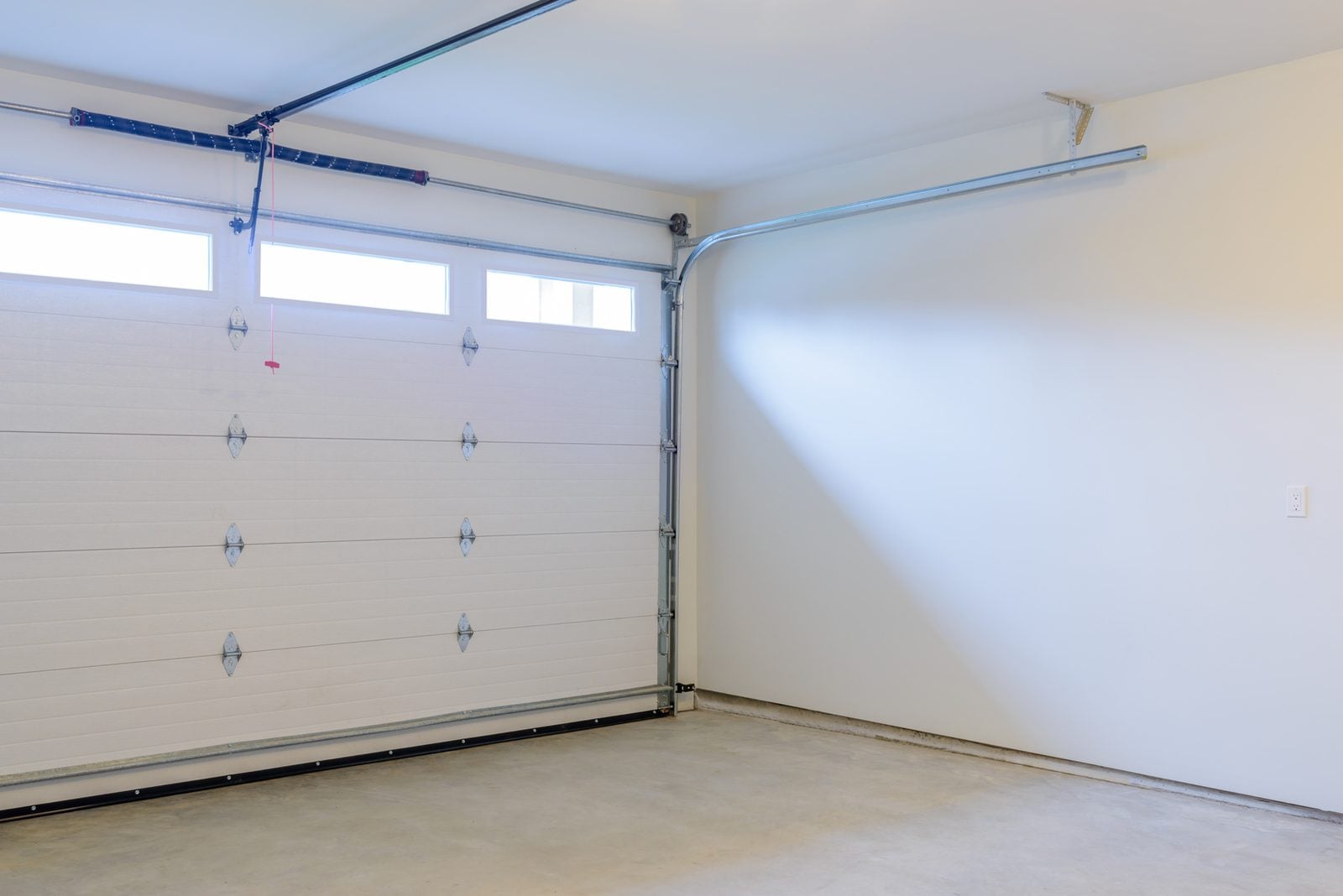
- An opener only lifts a door that is already balanced by its springs. A heavy or uneven door has to be fixed first.
- Springs, cables and bottom brackets hold dangerous tension. Opener installation should never involve adjusting them.
- The safety sensors go on each side of the door near the floor and must face each other in a straight line.
- Every new opener must pass an auto-reverse test before anyone uses it.
- Plug the motor into a grounded ceiling outlet. No outlet means an electrician, not an extension cord.
What to do first
- Pull the emergency release and lift the door by hand to check that it moves smoothly and stays put halfway up.
- If the door is heavy, crooked or slams down, stop. That is a spring or cable problem, not an opener job.
- Remove or disable any manual slide lock or rope lock on the door so the opener cannot fight it.
- Unplug the old opener and switch off the outlet's circuit breaker before you remove it.
- Use a sturdy ladder, keep it out of the door's path and have a second adult help lift the motor unit.
How to install a garage door opener: what are the main steps?
To install a garage door opener in Houston, you check the door, build the rail, hang the motor, connect it to the door, add the controls and safety sensors, then adjust and test it. Most openers follow the same order, and the maker's manual gives the exact measurements for your model.
- Check the door. It must open and close smoothly by hand.
- Assemble the rail and slide on the trolley, chain or belt.
- Mount the header bracket to solid framing above the door.
- Hang the motor unit from the ceiling joists with sturdy angle iron.
- Attach the door arm from the trolley to a bracket on the top section of the door.
- Install the sensors and wall button and run the low-voltage wires.
- Set the travel limits and force, then run the auto-reverse test.
What should you check before installing a garage door opener?
Before installing a garage door opener, check that the door is balanced, the tracks are straight and the rollers move freely.
To test balance, close the door, pull the emergency release cord and lift the door by hand to about halfway. A balanced door stays roughly in place. If it drops hard, shoots up or feels very heavy, the springs need attention from a professional.
What tools and parts do you need to install a garage door opener?
To install a garage door opener you need a sturdy ladder, a drill with bits, a socket set, a tape measure, a level, a stud finder and the hardware that comes in the opener box. Many installs also need extra angle iron and lag screws to hang the motor from the ceiling joists.
Lay every part out before you start and check it against the parts list in the manual.
Need help now? Call to be connected with a local provider in Houston who can check availability for your address.
How do you mount the rail and motor unit?
You mount the rail and motor unit by bolting the front of the rail to a header bracket above the door, lifting the motor end, and hanging it from the ceiling joists so the rail sits level and centered on the door. The rail has to line up with the center of the door or the door will pull crooked.
- Mark the door's vertical center line on the header wall and on the top panel.
- Fasten the header bracket into solid framing at the height the manual gives.
- Rest the motor on the ladder, open the door and use a scrap board to hold the rail at the right height.
- Hang the motor with angle iron across the joists and brace it so it cannot sway.
How do you install the safety sensors and wall button?
Install the safety sensors on each side of the door opening a few inches above the floor, facing each other, and mount the wall button out of children's reach where you can see the door. Run the thin low-voltage wires from both to the terminals on the motor unit, following the color codes in the manual.
The sensors send an invisible beam across the opening. If anything breaks that beam while the door is closing, the door reverses.
How do you set the travel limits and test the auto-reverse?
You set the travel limits so the door stops fully open and fully closed, then test the auto-reverse by laying a 2x4 board flat on the floor under the door and closing it. The door must reverse as soon as it touches the board. If it does not, do not use the opener until it is corrected.
Newer openers set limits with buttons on the motor or the wall control. Older ones use adjustment screws. It should stop with the bottom seal resting lightly on the floor, not pressing hard against it.
Also test the sensors: start closing the door and wave an object through the beam. The door should stop and go back up.
Which parts of a garage door opener install are dangerous?
The dangerous parts of a garage door opener install are the springs, the lift cables, the bottom brackets, ladder work overhead and the electrical connection. The springs and cables hold enough tension to cause serious injury, so an opener project should never involve loosening, adjusting or removing them.
- Springs and cables: if one is broken, frayed or loose, stop and call.
- Electricity: plug the opener into a grounded outlet. Do not cut off the ground prong, splice cords or run a long extension cord. If you need a new outlet, that is a job for an electrician.
- The door itself: a full-size door is heavy. Never let it run while someone is under it.
What happens during the visit?
If you would rather not install the opener yourself, or you stopped partway, a call connects you with a local garage door provider who serves your part of the Houston area. The visit starts with the whole door system, not only the motor.
- Inspection: the provider checks door balance, springs, cables, rollers, tracks, ceiling framing, the outlet and any opener already in place.
- Options explained: you hear what the door needs, which opener styles fit your garage and whether any repairs should come first.
- Written quote before work: you get the price in writing and decide before any work starts.
Call (713) 273-2106 to be connected with a local provider. Availability depends on your address.
Installing a garage door opener in Houston heat and storms
Houston weather is hard on openers and on the people installing them. Houston Intercontinental's record high is 109°F, and an attic-like garage in summer is no place for long ladder work. Plan the job for a cooler morning, drink water and take breaks.
Storms matter too. The Atlantic hurricane season runs from June 1 to November 30, and the Harris County Flood Control District says a major flood occurs somewhere in Harris County about every two years. Mount the motor on a dedicated outlet, keep sensor wires off the floor where water collects, and consider an opener with battery backup so you are not stuck during a power outage.
If your new opener will connect to an alarm system or log who comes and goes, note that the Texas Department of Public Safety says a company that only installs garage door openers does not need a DPS license, but installing an opener tied to an alarm system, or one that monitors or logs entry, does require one.
From Katy and Cypress to Sugar Land, Pearland and Humble, a call connects you with a local provider. See all service areas.
Related pages
Questions people ask
How do I install a garage door opener myself?
Check that the door is balanced, assemble the rail, mount it to a header bracket and the ceiling, attach the door arm, install the sensors and wall button, then set the limits and test the auto-reverse. Follow your opener's manual for exact measurements.
Is it hard to learn how to install a garage door opener in Houston?
It is a moderate project for someone comfortable with a drill and a ladder. The hard parts are lifting the motor overhead, finding solid framing and adjusting the limits, and Houston summer heat in the garage makes the work more tiring.
Can I install a garage door opener by myself or do I need a second person?
You can do much of it alone, but a second adult makes it safer. Holding the motor unit overhead while you line up the rail is the step where most people need help.
How do I know if my garage door is balanced enough for an opener?
Pull the emergency release and lift the door to about halfway by hand. If it stays roughly in place, it is balanced; if it falls, rises on its own or feels very heavy, the springs need a professional.
Should I replace my garage door springs before putting in a new opener?
Only if they are broken, worn or the door fails the balance test. Spring work is dangerous, so it should be handled by a garage door professional, not as part of a DIY opener install.
How high do the garage door safety sensors need to be?
Most manuals place them a few inches above the floor, on each side of the door, facing each other. Check your manual for the exact height, and make sure the indicator lights show they are lined up.
Why won't my new garage door opener close the door?
Most often the safety sensors are not lined up, are blocked, or have a loose wire. Check the sensor lights, clean the lenses, tighten the wires at the motor and make sure nothing is in the beam.
Do I need an outlet on the ceiling to install a garage door opener?
Yes, most openers plug into a grounded outlet near the motor unit. If there is no outlet there, have an electrician add one instead of using a long extension cord.
What is the auto-reverse test and how do I do it?
Lay a 2x4 board flat on the floor under the door and close it. The door should reverse as soon as it touches the board; if it does not, stop using the opener until the force or limits are corrected.
Can I mount a garage door opener to drywall?
No. The header bracket and the motor hanger need to go into solid wood framing with lag screws, because drywall cannot hold the load or the vibration.
What if my garage has a low ceiling and the opener doesn't fit?
Measure the space above the door's highest point before you buy. If the rail will not fit, ask a provider about other opener styles or door hardware options for low-clearance garages.
Should I get battery backup on a new opener in Houston?
It is worth considering in Houston because storms can knock out power during hurricane season. Battery backup lets you open and close the door a limited number of times during an outage.
Does Texas DPS care if my new opener links to my home alarm system?
It can. DPS says installing an opener connected to an alarm system, or one that monitors or logs entry, requires a DPS license, while installing an opener alone does not.
When should I stop installing a garage door opener and call someone?
Stop if the door is heavy or crooked, a spring or cable looks damaged, you cannot find solid framing, you need new wiring, or the door fails the auto-reverse test. Those are signs the job needs a professional.
Who can I call in Houston if I don't want to install a garage door opener myself?
Call (713) 273-2106 to be connected with a local garage door provider in the Houston area. They inspect the door, explain your options and give a written quote before any work starts.
Talk to someone about your garage door problem
Call to be connected with a local provider who can check availability for your address and explain the next step.