Garage Door Insulation in Houston: A Guide
Garage door insulation in Houston helps keep summer heat out of the garage, cuts street noise and makes the rooms next to it more comfortable. You can add an insulation kit to many existing doors or replace the door with an insulated model. Call to be connected with a local provider who can look at your door.
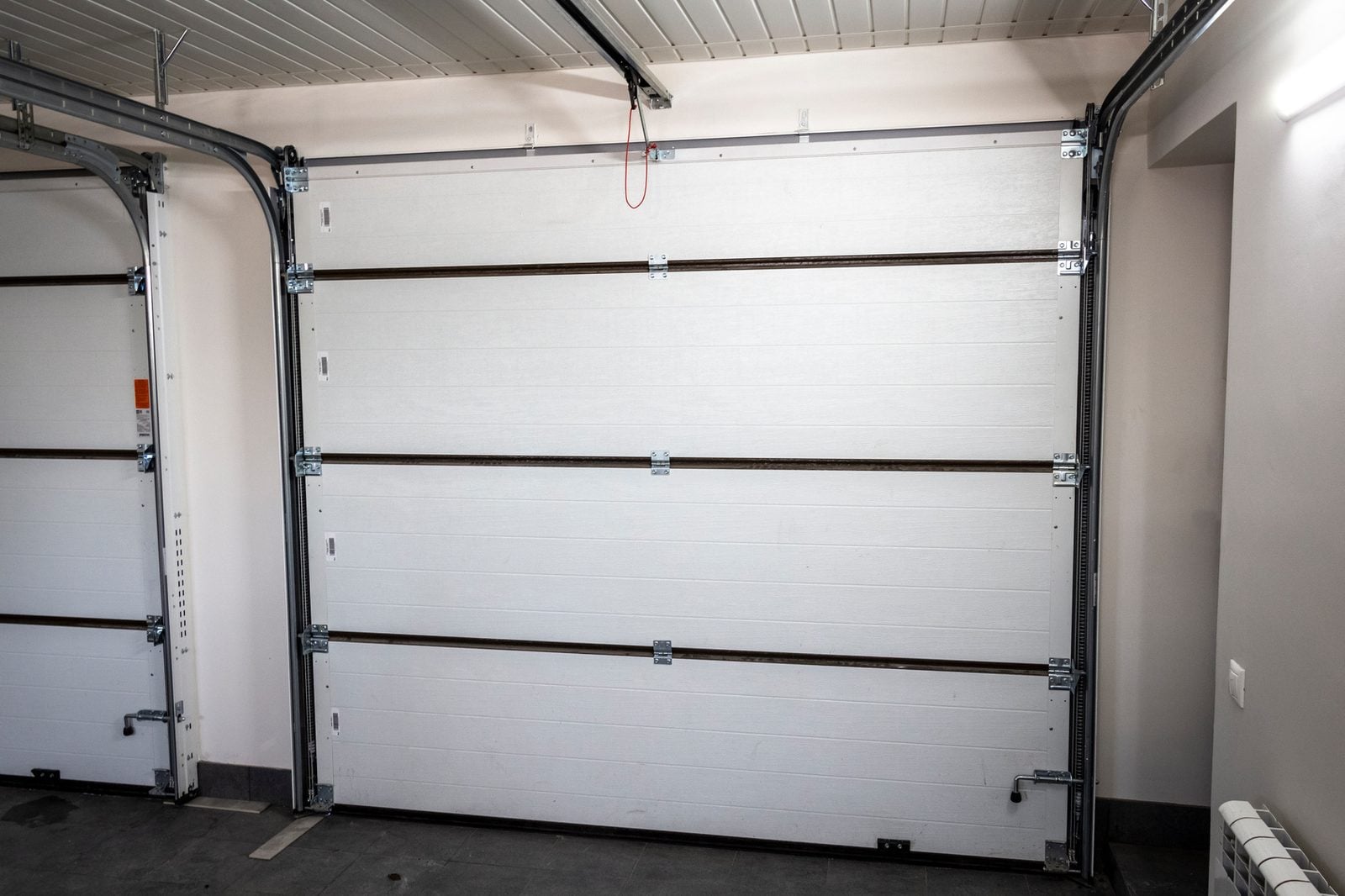
- Insulation slows heat moving through the door. It works well only on a door that also seals well at the bottom and sides.
- There are two main routes: add foam or reflective panels to your current door, or replace it with a factory-insulated door.
- Adding insulation makes the door heavier, so the springs and opener may need a balance check afterward.
- Attached garages under or beside living space get the most out of insulation in Houston.
- A good visit starts with an inspection and ends with a written quote before any work begins.
Is garage door insulation in Houston worth it?
Garage door insulation in Houston is usually worth considering if your garage is attached to the house, sits under a bedroom, or doubles as a workshop or gym. The garage door is often the largest uninsulated wall of the home, and a thin steel door can get very hot in direct sun.
It matters less for a detached garage you only use to park. Even then, insulated doors tend to be stiffer and quieter. Think about how you use the space, which direction the door faces, and whether the rooms next to the garage feel hotter than the rest of the house.
What are the main types of garage door insulation?
The main types are foam board panels, reflective foil wraps, and doors with foam built in at the factory. Foam boards cut to fit each panel section. Reflective wraps bounce radiant heat away. Factory doors have polystyrene or polyurethane foam sealed between steel layers.
- Foam board (polystyrene): Rigid sheets that press into each panel. Common in kits.
- Reflective foil: A thin layer with a shiny face that helps with radiant heat from the sun.
- Injected polyurethane: Foam that fills the door's core. It is denser and adds stiffness.
R-value is the number that rates how well insulation slows heat. Higher means more resistance, but the seals around the door matter just as much.
Should I add an insulation kit or buy an insulated garage door?
An insulation kit makes sense when your current door is straight, solid and working well. A new insulated door makes more sense when the old one is dented, rusted, very old, or already giving you trouble with springs or panels.
Kits fit inside the existing panels and add a modest layer. A factory-insulated door usually performs better and looks finished on both sides. If you are leaning toward a full change, read about new garage door installation and compare garage door repair vs replacement.
Need help now? Call to be connected with a local provider in Houston who can check availability for your address.
Will insulation make my garage door too heavy for the springs?
It can. Insulation adds weight, and the springs are set to balance the door at its original weight. If the door now drops fast, feels heavy, or the opener strains, the springs likely need adjustment.
Never adjust torsion springs yourself. They hold the door's weight under high tension, and a slip can cause serious injury. A simple test is to pull the emergency release with the door closed and lift it halfway by hand. A balanced door stays put. If it falls or shoots up, see garage door spring repair.
Does garage door insulation help with noise?
Yes, insulation usually makes a garage door quieter. Foam dampens the rattle of thin steel panels, and insulated doors flex less as they move. That helps when a bedroom sits above or beside the garage.
Much of the noise, though, comes from worn rollers, dry hinges and loose hardware. Insulation alone will not fix a squealing or grinding door. A tune-up that tightens hardware and swaps worn rollers often makes the biggest difference. See garage door maintenance and tune-up.
Why do weather seals matter as much as insulation?
Weather seals matter because hot air, rain and insects slip through gaps around the door, no matter how much foam is inside it. The bottom seal, the side and top stop seals, and the seals between panels all work together.
Check for daylight along the floor and edges with the door closed. A cracked or flattened bottom seal is a common problem on older doors. If your garage slab has settled and the floor is uneven, a thicker bottom seal can help close the gap.
Can I insulate my own garage door?
Many owners can install a basic foam panel kit on a sectional door that is in good shape. The panels cut and press into place. The hard part comes after: checking that the door is still balanced and the opener is not straining.
Do not drill near the bottom brackets, which are under cable tension. Do not touch the springs. If the door was already noisy, slow or off balance before you started, have it looked at first so you are not adding weight to a problem.
What happens during the visit?
During the visit, the provider looks at your door, explains the insulation options that fit it, and gives you a written quote before any work begins. You decide after you understand the choices.
- Inspection: The door panels, seals, springs, cables, rollers and opener are checked, and the door's balance is tested.
- Options explained: You hear whether a kit, new seals, or a new insulated door fits your door and how you use the garage.
- Written quote: You get the price in writing before work starts.
- Testing: After any approved work, the door is run through full cycles and the auto-reverse safety feature is checked with you.
How does Houston weather affect garage door insulation?
Houston's climate is the main reason people insulate garage doors here. Houston Intercontinental's record high is 109°F, and a closed garage facing the afternoon sun can trap heat that seeps into the rooms beside it. That heat also wears on opener motors and remote batteries.
Moisture is the other half of the story. Houston's normal annual rainfall is 51.84 inches, and the Atlantic hurricane season runs from June 1 to November 30. Good bottom and side seals help keep wind-driven rain off the garage floor. The Harris County Flood Control District says a major flood occurs somewhere in Harris County about every two years, sometimes outside mapped floodplains, so check foam panels and seals for water damage after any high water.
Neighborhoods differ, too. If your home in Katy, Cypress or Sugar Land has an attached garage with a room above it, insulation can pay off in comfort. In the Houston Heights historic districts, homes were mostly built on pier-and-beam foundations that can move with Houston's heavy clay soils, which can leave uneven gaps under an older door. Wherever you are, including Pearland, Spring and The Woodlands, one call connects you with a local provider who can check availability for your address. See all service areas.
Related pages
Questions people ask
Who do I call about garage door insulation in Houston?
Call the number on this page to be connected with a local provider for garage door insulation in Houston. They can look at your door, explain the options and give you a written quote before any work.
Does insulating a garage door really make the garage cooler in Houston?
It usually helps, especially on a door that gets direct sun. In Houston the garage will still be warm in summer, but insulation slows the heat coming through the door and keeps the rooms next to it more comfortable.
Is it worth insulating a garage door if my garage isn't air conditioned?
Often yes, if the garage is attached to your Houston home. Even without AC, less heat through the door means less heat pushing into the house through shared walls and the ceiling.
What's the difference between polystyrene and polyurethane garage door insulation?
Polystyrene is rigid foam board fitted into the panels, while polyurethane is foam injected into the door's core. Polyurethane is denser and makes the door stiffer, and polystyrene is common in add-on kits.
Does reflective foil insulation work on a garage door in Texas?
Reflective foil can help on a Texas garage door that takes strong sun, because it bounces radiant heat away. It works better when there is a small air gap and when the door seals well.
What R-value should I look for in a Houston garage door?
In Houston, a higher R-value means the door resists heat better, so compare doors by that number. Just as important are tight seals at the bottom and sides, since gaps let hot air in no matter how thick the foam is.
Will adding insulation to my garage door break my opener?
It should not, if the door is rebalanced. The extra weight can strain the opener when the springs are no longer set right, so have the balance checked after insulating.
Do I need new springs after insulating my garage door?
Not always, but the springs often need adjustment for the added weight. On some doors the extra weight is enough that a different spring size is the right fix.
Can I put insulation on a single-layer steel garage door?
Yes, single-layer steel doors are the most common type for add-on kits. The door should be straight and in good shape first, with no bent panels.
Can you insulate a wood garage door?
Some wood doors can take foam panels, but it depends on the panel design. In Houston humidity, it is also important not to trap moisture against the wood, so have the door looked at first.
Will garage door insulation help keep bugs and rain out?
Insulation itself does not, but the seals around the door do. In Houston, replacing a worn bottom seal and side seals is often the biggest step for keeping out rain, insects and hot air.
How do I know if my garage door seals are worn out?
Close the door and look for daylight along the floor and edges. Cracked, flattened or missing rubber at the bottom is a clear sign the seal should be replaced.
Does an insulated garage door make less noise?
Usually yes. Insulated doors are stiffer and rattle less, but worn rollers and loose hardware still cause noise, so a tune-up may also be needed.
Is it better to insulate my old garage door or replace it?
Insulate the old door if it is straight, solid and working well. Replace it if it is dented, rusted or keeps having spring and panel problems, since a new insulated door usually performs better.
Can I insulate the garage door myself?
Many people can install a basic foam kit on a sectional door in good shape. Do not touch the springs or bottom brackets, and have the balance checked afterward.
What happens if floodwater gets into my insulated garage door?
Water can soak or warp foam and rust the steel around it. After high water in the Houston area, check the lower panels and bottom seal, and have the door looked at if it sticks or looks swollen.
Should I insulate my garage door if I have a room above the garage?
Yes, a room above the garage is one of the strongest reasons to insulate in Houston. The door is a large path for heat into that space, and insulation plus good seals can make it noticeably more comfortable.
Does garage door insulation help in a Houston winter?
It helps a little during cold snaps by holding some warmth in the garage. Houston winters are mostly mild, so most of the benefit here comes in the hot months.
Do HOAs in the Houston area have rules about insulated garage doors?
Insulation inside the door is rarely an issue, but HOAs often have rules on door color, style and windows. Check with your HOA before you replace the whole door.
What should I ask a provider about garage door insulation in Houston?
Ask what type of insulation fits your door, whether the springs and opener need adjusting for the added weight, and what the seals look like. Ask for the price in writing before any work starts.
Talk to someone about your garage door problem
Call to be connected with a local provider who can check availability for your address and explain the next step.