Garage Door Won't Open After a Houston Storm?
If your garage door won't open after a storm in Houston, the cause is usually power loss, a tripped GFCI outlet, wet or bumped safety sensors, or a door knocked out of line by wind. Check power and the manual release first, and call for a local provider if a spring or cable looks damaged.
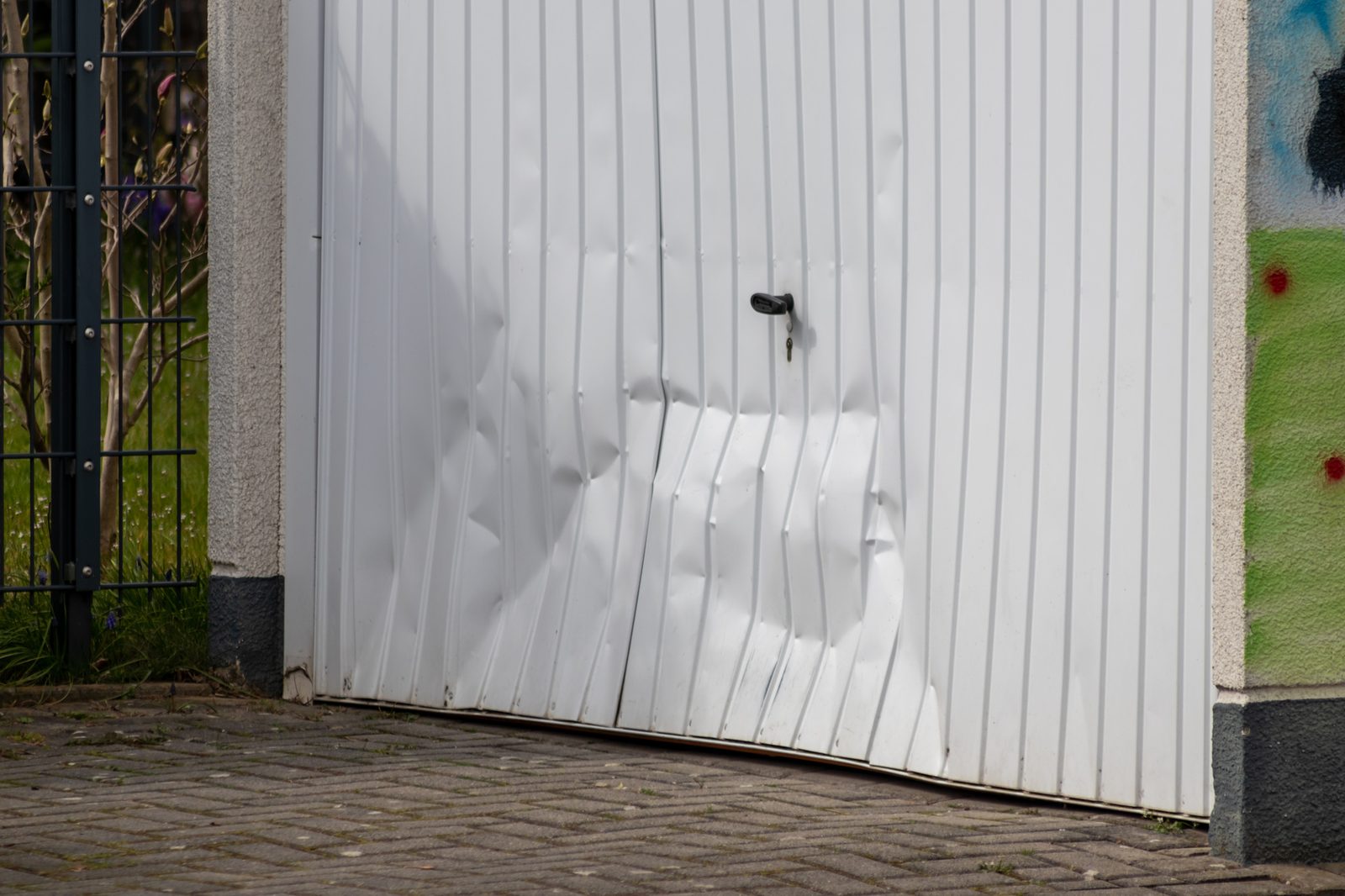
- Most storm-related garage door problems start with power: a tripped breaker, a tripped GFCI outlet or an opener that lost its settings.
- The red emergency release cord lets you open a door by hand, but only if the springs and cables are intact.
- A broken spring or a frayed cable after a storm is a safety issue. Leave it alone and call for help.
- The Atlantic hurricane season runs June 1 to November 30, and Houston also gets heavy rain and wind outside that window.
- If a storm damaged the door, take photos before anything is moved and check your policy before filing a claim.
What to do first
- Look at the door from inside the garage before pressing any button. If it is crooked, off its tracks or has a loose cable, do not run the opener.
- Check that the opener has power: look for a light on the motor unit, then check the breaker panel and reset any GFCI outlet in the garage.
- Wipe the two safety sensor lenses near the floor and check that their lights are steady.
- With the door fully closed, pull the red emergency release cord and lift the door slowly by hand.
- If the door feels very heavy or will not stay up, lower it gently, leave it closed and call for help.
Why won't my garage door open after a storm in Houston?
A garage door that won't open after a Houston storm usually has one of five problems: no power to the opener, a tripped GFCI outlet, wet or misaligned safety sensors, a remote that lost its pairing, or a door that wind pushed out of line. Power issues are the most common and the easiest to check.
When power returns after an outage or surge, an opener may come back with its settings scrambled. Heavy rain can soak the sensors or trip the outlet. Less often, strong wind bends a track or stresses a spring. For everyday causes not tied to weather, see Garage Door Won't Open? 8 Causes and What to Do Next.
How do I open my garage door when the power is out?
To open a garage door during a power outage, make sure the door is fully closed, pull the red emergency release cord hanging from the opener rail, and lift the door by hand from the bottom handle. A door with healthy springs should feel fairly light and stay put about halfway up.
- Lift slowly and keep fingers out of the gaps between panels.
- If the door slams down or will not stay up, lower it gently and stop. The springs may be weak or broken.
- When power returns, close the door by hand and run the opener once. Most openers reconnect on the next cycle.
Never pull the release cord while the door is open. A door with a bad spring can drop fast.
Can rain or humidity stop the garage door sensors from working?
Yes. Rain, splashing water, mud and condensation can block the safety sensors, the two small eyes a few inches above the floor on each side of the door. When the beam between them is blocked, most openers refuse to close the door, and the opener light may blink.
Dry the lenses gently, clear debris, and check that both sensors point straight at each other with steady indicator lights. If the wiring got wet or the sensors keep failing, see garage door sensor and keypad repair.
Need help now? Call to be connected with a local provider in Houston who can check availability for your address.
What if the opener hums or clicks but the door won't move?
If the opener hums, clicks or runs but the garage door won't move, the motor has power but something is stopping the door. The likely causes are a broken spring, a door that is locked or disconnected, a bent track, or a stripped gear inside the opener.
- Lock: make sure any manual slide lock is open.
- Release: if the emergency cord was pulled during the outage, the door may be disconnected.
- Springs: look for a gap in the torsion spring above the door, or a snapped spring along the side tracks.
A gap means the spring broke. Stop pressing the button so the opener does not burn out. See garage door spring repair or garage door opener repair.
Is it safe to use a garage door that took wind damage?
It is not safe to run a garage door with visible storm damage, such as buckled panels, a bent track, rollers out of the track, or a loose or frayed cable. Running the opener can make the damage worse or let the door shift and fall. Leave it closed and call to be connected with a provider.
Wind pushes on a garage door like a sail. Warning signs include a door hanging lower on one side, grinding sounds and slack cables. Related pages: off-track door repair, cable and roller repair and panel replacement.
Why did my remote stop working after the power came back?
A garage door remote that stops working after a power outage usually needs a new battery, needs to be re-paired, or the opener lost its settings in a surge. Try the wall button first. If the wall button works but the remote does not, the problem is the remote or its pairing.
- Replace the battery and try from close range.
- Check that lock or vacation mode on the wall control is off.
- Re-pair the remote using the learn button steps in your manual.
The opener troubleshooting guide has more checks.
Should I document storm damage to my garage door for insurance?
Yes, document storm damage before anything is moved or repaired. Take wide and close-up photos of the door, tracks and panels, and note the storm date. Coverage depends on your policy, so check it or call your insurer before filing a claim.
Many policies treat sudden damage differently from gradual wear. The Texas Department of Insurance says a homeowners policy won't pay for flooding or wear and tear, and that flood coverage requires a separate policy. Keep any written quote with your photos.
What happens during the visit?
When you call, you are connected with a local garage door provider who serves your part of the Houston area. The visit starts with an inspection of the whole system, not just the part that stopped working.
- Inspection: springs, cables, rollers, tracks, panels, opener, sensors and controls are checked for wear and storm damage.
- Options explained: you hear what failed, why, and the choices, such as a repair, a part replacement or a new door.
- Written quote before work: you decide before any work begins.
Weighing a repair against a new door? See repair vs. replacement.
How can I get my garage door ready before the next Houston storm?
Preparing a garage door for a Houston storm takes a few minutes: find the emergency release cord, test that the door lifts smoothly by hand, keep the sensors clear, and know which breaker feeds the opener. A door in good shape is less likely to fail when the weather turns.
- Close the door fully before the storm and keep it closed.
- Consider a surge protector rated for openers.
- If the door grinds or squeals, schedule a maintenance tune-up before storm season.
Houston weather and your garage door
Houston's weather is hard on garage doors. The Atlantic hurricane season runs from June 1 to November 30, peaking September 10, with most activity between mid-August and mid-October. Houston Intercontinental's 1991-2020 normal annual rainfall is 51.84 inches, so wet sensors and tripped outlets are common.
The Harris County Flood Control District says a major flood occurs somewhere in Harris County about every two years, and that flooding can occur outside mapped floodplains. Water at the bottom of a garage door can soak sensors, wiring and the opener outlet.
Temperature swings matter too. Houston Intercontinental's record high is 109°F, and during the February 2021 freeze it fell to 12°F.
Whether you live in Katy, Cypress, Sugar Land, Pearland or Humble, a call connects you with a local provider who can check availability for your address. See all service areas.
Related pages
Questions people ask
Why won't my garage door open after a storm?
Usually the opener lost power, a GFCI outlet tripped, the sensors got wet, or wind pushed the door out of line. Check power and the sensors first, then look for a broken spring or loose cable before pressing the button again.
My garage door won't open and the power is out. How do I get my car out?
Pull the red emergency release cord with the door fully closed, then lift the door by hand from the bottom. If the door feels very heavy or will not stay up, lower it gently and stop, because the springs may be broken.
Is it safe to pull the emergency release on my garage door?
It is safe when the door is fully closed and the springs are working. Do not pull it with the door open, because a door with a bad spring can fall quickly once it is disconnected from the opener.
Can rain make my garage door sensors stop working?
Yes. Water drops, mud and condensation on the lenses can break the sensor beam. Gently drying the lenses usually helps. Sensors that stay wet or have soaked wiring may need to be checked or replaced.
Can a power surge break a garage door opener?
Yes, a surge can damage an opener's circuit board. If the wall button, remote and keypad all fail after a storm even with power at the outlet, have the opener checked.
What does it mean if my garage door opener hums but the door doesn't move?
It usually means the motor has power but the door is too heavy to lift, often because a spring broke. It can also mean the door is locked, disconnected or jammed. Stop pressing the button so the motor does not burn out.
How can I tell if my garage door spring broke during the storm?
Look for a gap in the coiled torsion spring above the door, or a stretched or snapped spring along the side tracks. A loud bang, a very heavy door and a crooked door are other signs. Do not try to adjust springs yourself.
Why did my garage door remote stop working after the power went out?
The remote may need a new battery, the wall control may be in lock mode, or the remote lost its pairing. If the wall button works but the remote does not, re-pair the remote using the learn button steps in your manual.
Should I take pictures of storm damage to my garage door?
Yes. Photograph the door, tracks, panels and any debris before anything is moved, and write down the storm date. Then check your policy, since coverage depends on your insurer and the cause of the damage.
Does homeowners insurance cover a garage door damaged by a Houston storm?
It depends on your policy, so check it or call your insurer. Many policies treat sudden damage differently from wear and tear, and the Texas Department of Insurance says standard homeowners policies do not cover flooding.
Can floodwater ruin a garage door opener?
Floodwater can damage the outlet, wiring, sensors and sometimes the opener itself. Do not use the opener or touch wet electrical parts until the power is off and the area is dry. Have the system checked before using it again.
Will Houston heat make my garage door opener stop working?
Extreme heat can make an older opener overheat or shut off for a while, and it can dry out lubricants. If the opener stops in the hottest part of the day and works again later, have it checked.
How do I prepare my garage door before a hurricane?
Close the door fully, clear the door path and sensors, know where the release cord is and which breaker feeds the opener. Fix grinding, sagging or slow operation before storm season so a weak part does not fail during the storm.
What happens when a garage door provider comes out after a storm?
The provider inspects the whole door system, explains what failed and your options, and gives a written quote before any work. You decide whether to go ahead.
Who do I call if my garage door won't open in Houston?
Call the number on this page to be connected with a local garage door provider serving your part of the Houston area. They can check availability for your address and explain the next step.
Talk to someone about your garage door problem
Call to be connected with a local provider who can check availability for your address and explain the next step.